
 Adnkronos
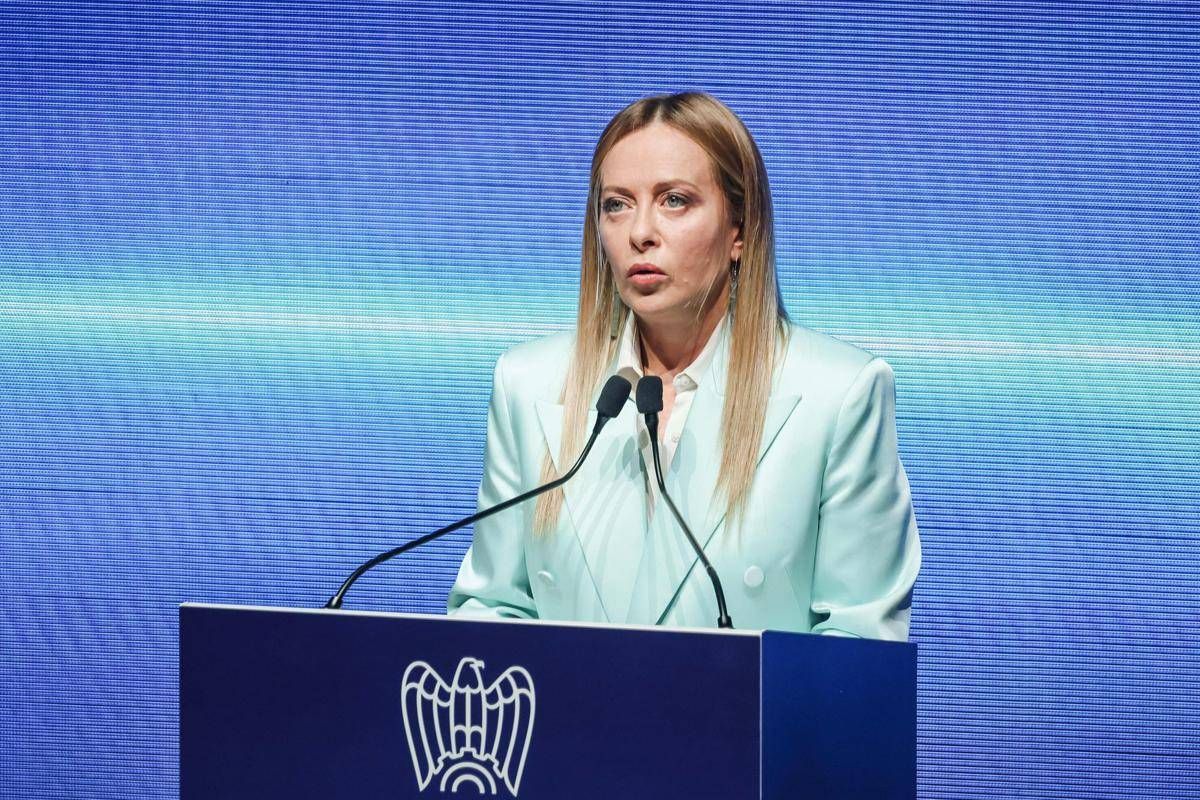
 (Adnkronos) – Giorgia Meloni non intende mollare la presa sull’energia. Specialmente nel braccio di ferro (figurato) con l’Unione europea. Nonostante il quasi scontato via libera di oggi del Parlamento allo scostamento di bilancio – la richiesta è di oltre 14 miliardi per continuare a far fronte ai rincari dei costi e altri 14 miliardi da investire in difesa -, dall’assemblea di Assolombarda la premier continua a tenere il punto anche sulla richiesta di maggiore flessibilità che, dice, “riproporrò io personalmente al Consiglio europeo” di giovedì e venerdì, perché “si tratta di una proposta semplice, di buonsenso, oltre che di responsabilità”.
Parallelamente, come fanno sapere fonti di Palazzo Chigi, la presidente del Consiglio si muove con il cancelliere tedesco Friedrich Merz e il primo ministro belga Bart De Wever. Con una lettera spedita, questa volta, al presidente del Consiglio europeo António Costa, i tre leader chiedono un collegamento tra semplificazione, caro energia e competitività industriale.
La lettera, spiegano dal governo, invita infatti ad approfondire tre strade: una corsia preferenziale per accelerare gli investimenti in settori prioritari, a partire da energia e digitalizzazione; un freno contro nuovi oneri burocratici; e una riduzione generalizzata degli obblighi di ‘reporting’ Ue, soprattutto per le Pmi.
D’altronde, i prezzi energetici sempre più elevati mettono in crisi anche la “competitività delle nostre imprese”, dice Meloni davanti alla platea degli industriali lombardi.
Dopo aver elencato tutte le misure messe a terra “per proteggere gli italiani dal caro energia”, con uno stanziamento di oltre 60 miliardi di euro, la premier vuole andare oltre la gestione dell’emergenza. “Se noi non costruiamo risposte strutturali di lungo periodo, rischiamo di essere sempre più in balia dell’emergenza”, scandisce dal palco, enumerando ancora gli interventi fatti in questi anni di governo, con particolare attenzione soprattutto alla ripresa dopo 40 anni del “cammino del nucleare”, che conta sia operativo entro il prossimo decennio. “Se ci si continuerà a lavorare”, aggiunge come postilla.
It's a shame, however, that Italian measures aren't enough, and Meloni herself is aware of this. "We can introduce all the measures we want in Italy, but we risk failing to achieve our goal unless there's a significant shift in Europe on this front," the prime minister noted in one of her many jabs at Europe. Regarding ETSs, a "mechanism that artificially inflates prices, creates imbalances between member states, and harms our businesses," Meloni believes the approach must be anything but ideological. Because "on the one hand, we're losing skills, jobs, and supply chains, and on the other, we're not even experiencing lower global emissions," and therefore "this is not the right path to restoring Europe's strategic autonomy, strength, and economic clout." "If the ETS makes them unsustainable, Europe won't become greener, it will become weaker and more dependent," which is why she's trying to broaden the ranks of those calling for radical action. The Prime Minister knows this too well: "This is not and will not be an easy negotiation, but we will do our part, as always."
A party that plans to be anything but compliant. "Italy doesn't sit at the European table to always say yes," the occupant of Palazzo Chigi formally states. "It sits there to say what needs to be said when it needs to be said, even if it's inconvenient, even if it costs money. Because Italy is among the nations that founded Europe and has the right and duty to speak out when something isn't right, not to weaken it, but precisely the opposite: to strengthen it." And so it's no coincidence that we're working with the European Commission "to build a mechanism that will allow us to contain the price of gas used to generate electricity," hoping that a shared solution will soon be reached.
Certainly, resources "cannot be found by cutting cohesion and agricultural policy, which are a prerequisite for competitiveness," because "strategic autonomy cannot be built if we cut the only autonomy we have, namely what we eat," Meloni states.
It also focuses on other issues, one above all: Italy's growth, "still too weak," but which "has demonstrated in recent years that it can withstand the shockwaves of one of the most complex and uncertain scenarios ever."
While the European Union is the main target of criticism on energy, the Prime Minister seems to be addressing ISTAT (the Italian National Institute of Statistics) with a hint of annoyance regarding forecasts. "The data for the first six months of this year tell us that growth for 2026 could reach 1%, in line with the main European economies," and therefore "it's a bit disappointing when we're systematically underestimated by our own agencies." "These results," Meloni continues, "should encourage us in any case. It's not growth that satisfies us, it couldn't be, but it's a sign that shouldn't be underestimated, but something we can build on together."
Likewise, much has been built on artificial intelligence, which "could represent the most radical revolution humankind has ever known." "If we were so superficial as to be captivated by its potential without questioning all its implications, I believe we risk paying a very high price," she says. She also addresses inequality: "The impact of artificial intelligence can verticalize and concentrate that wealth much further, and we need to know what we're talking about, otherwise we won't be able to manage the phenomenon," the prime minister emphasizes. And it's no coincidence that she announces that the budget will include a common-sense measure, developed together with Minister Giancarlo Giorgetti, which provides tax breaks for investments in software used through cloud contracts.
policy
webinfo@adnkronos.com (Web Info)